Howl’s Moving Castle Piano PDF: A Comprehensive Guide (Updated 05/04/2026)
Today’s date is 05/04/2026! This guide explores readily available piano arrangements, including PDFs from sources like Amazon, MuseScore, and PianoDeuss, offering diverse skill levels․
Joe Hisaishi’s enchanting score for Howl’s Moving Castle is a cornerstone of modern animated film music, celebrated for its emotional depth and whimsical melodies․ The soundtrack beautifully complements the film’s fantastical narrative, evoking feelings of wonder, longing, and adventure․ Consequently, many pianists are drawn to recreating these iconic pieces․
The appeal extends beyond simply enjoying the music; it’s about connecting with the story and the artistry of Studio Ghibli․ Finding accurate and accessible piano arrangements, often in PDF format, is a common pursuit for musicians of all levels․ These arrangements range from simplified beginner versions to complex solo piano transcriptions, catering to a broad spectrum of skill․
This guide will navigate the landscape of Howl’s Moving Castle piano sheet music, focusing on PDF availability and resources․
The Appeal of Joe Hisaishi’s Score
Joe Hisaishi’s musical genius lies in his ability to blend orchestral grandeur with intimate, emotionally resonant melodies․ His work on Howl’s Moving Castle isn’t merely background music; it’s integral to the storytelling, amplifying the film’s themes of love, loss, and self-discovery․ This deeply emotive quality is a primary reason pianists seek out sheet music․
The score’s complexity and beauty present a rewarding challenge for musicians․ Many pieces, like “Promise of the World,” offer opportunities for expressive interpretation․ The availability of piano arrangements, particularly in convenient PDF format, allows musicians to engage with Hisaishi’s compositions directly․
Furthermore, the nostalgic connection to the beloved Studio Ghibli film enhances the appeal, making learning and performing these pieces a truly fulfilling experience․
Availability of Piano Arrangements
Piano arrangements of Howl’s Moving Castle’s soundtrack are surprisingly abundant, largely thanks to the score’s popularity and the dedication of online music communities․ Digital sheet music in PDF format is readily accessible through several platforms․ Amazon․com offers the Doremi Gakufu Shuppansha edition, though it contains Japanese text alongside standard notation․
MuseScore․com stands out as a prominent hub, hosting numerous free arrangements, ranging from beginner-friendly adaptations to complex solo piano versions․ PianoDeuss also provides downloadable sheet music․ These resources cater to diverse skill levels, ensuring a wide audience can enjoy Hisaishi’s music․
MIDI files are sometimes available alongside PDFs, aiding in learning and practice․

Popular Sheet Music Sources
Key platforms include Amazon (Doremi Gakufu editions), MuseScore․com (free community arrangements), and PianoDeuss, offering a variety of Howl’s Moving Castle piano PDFs․
Amazon․com: Doremi Gakufu Shuppansha Edition
Doremi Gakufu Shuppansha’s Howl’s Moving Castle piano solo sheet music (ISBN 9784285101263) is a popular choice available on Amazon․com․ This 62-page book features 16 intermediate-level piano arrangements of beloved tracks from the film’s enchanting soundtrack․
While utilizing standard music notation, a significant portion of the text, including song titles and instructions, is presented in Japanese․ This can pose a challenge for those unfamiliar with the language, requiring some translation or familiarity with musical symbols․ Despite this, the musical notation itself remains universally understandable for pianists․
Amazon also offers related Ghibli piano collections, such as the “Ghibli Best Stories Piano Book” and the “Studio Ghibli Sheet Music Collection,” providing a broader range of iconic film themes for piano enthusiasts․
MuseScore․com: A Hub for Free Sheet Music
MuseScore․com serves as a vibrant online community and a fantastic resource for accessing free Howl’s Moving Castle sheet music․ Users like PianoDeuss contribute arrangements for various instruments, including piano, guitar, and flute․ This platform allows for both downloading PDFs and printing sheet music directly․
Notably, arrangements of “Promise of the World” (Sekai no Yakusoku) are readily available, uploaded by composers like mozartandi3․ Additionally, simplified, easy piano versions of the Howl’s Moving Castle theme, arranged by Piano Seeds STUDIO, cater to beginner pianists․
The site’s collaborative nature means arrangements vary in quality and accuracy, so previewing before committing to practice is recommended․
PianoDeuss Arrangements
PianoDeuss is a prominent contributor to the free Howl’s Moving Castle sheet music available online, primarily hosted on MuseScore․com․ This creator offers arrangements specifically for piano, making their contributions highly relevant for pianists seeking to learn pieces from the iconic soundtrack․
The arrangements provided by PianoDeuss are downloadable in PDF format, allowing for easy access and printing․ These arrangements cater to a range of skill levels, though often lean towards intermediate players․
Users can share, download, and print these free scores, benefiting from the collaborative spirit of the MuseScore community․ Exploring PianoDeuss’s catalog is a great starting point for finding playable versions․
Key Pieces & Arrangements
Popular selections include “Promise of the World” and the main theme, available in varying difficulties – from easy piano to complex solo arrangements, often in PDF format․
“Promise of the World” (Sekai no Yakusoku) ─ Sheet Music Details
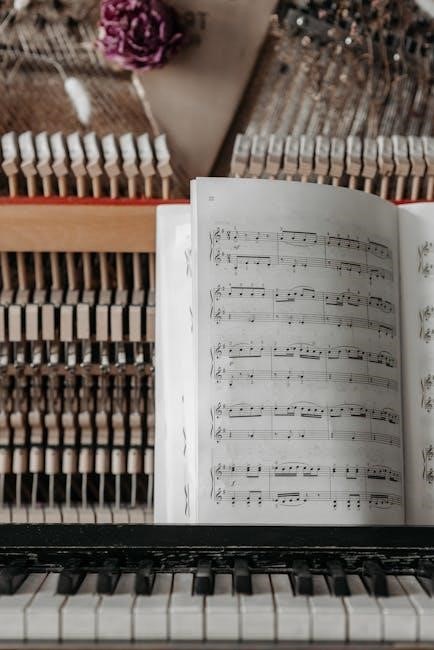
“Promise of the World” (Sekai no Yakusoku) is a fan favorite, and thankfully, numerous piano arrangements are accessible in PDF format․ MuseScore․com hosts a free version arranged by mozartandi3 for solo piano, downloadable as both PDF and MIDI․ This arrangement captures the song’s emotional depth․
However, be aware that sheet music quality varies․ Many arrangements, particularly those originating from Japanese sources like Doremi Gakufu Shuppansha (available on Amazon), utilize standard notation but feature song titles and instructions primarily in Japanese․
These editions often contain 16 intermediate-level arrangements within a single book․ When searching, consider specifying “solo piano” to refine results and find arrangements suited to your skill level․ Always preview the sheet music if possible to assess its complexity before downloading or purchasing․
“Howl’s Moving Castle Theme” ─ Easy Piano Versions
For beginner pianists, simplified arrangements of “Howl’s Moving Castle Theme” are readily available as PDFs․ MuseScore․com features an “EASY PIANO” version arranged by Piano Seeds STUDIO, designed for solo performance․ This version prioritizes accessibility, making the iconic melody achievable for those with limited experience․
These simplified arrangements often focus on the core melodic line, reducing complex chords and rhythmic patterns․ Look for versions specifically labeled “easy piano” or “beginner” when searching online․
While these adaptations may not capture the full nuance of Joe Hisaishi’s original composition, they provide a fantastic entry point for learning the theme and enjoying the music․ Previewing the sheet music is recommended to confirm its suitability for your skill level․
“Howl’s Moving Castle” ─ Solo Piano Arrangements
For intermediate to advanced pianists, numerous solo piano arrangements of “Howl’s Moving Castle” exist in PDF format․ MuseScore․com hosts several options, including complete arrangements of the soundtrack․ These versions aim to replicate the orchestral sound on a single instrument, demanding greater technical skill․
Expect to encounter complex chord voicings, intricate arpeggios, and dynamic variations mirroring Hisaishi’s original score․ These arrangements often require a strong understanding of music theory and piano technique․
The availability of solo arrangements allows for a more intimate and expressive interpretation of the music․ Carefully review the difficulty level before attempting these pieces, ensuring they align with your capabilities․

Understanding Sheet Music Difficulty
Sheet music varies greatly! Arrangements range from easy beginner adaptations to complex intermediate and advanced solo piano pieces, impacting playability․
Intermediate Level Arrangements
Doremi Gakufu Shuppansha’s publication on Amazon, featuring 16 arrangements from Howl’s Moving Castle, largely falls into the intermediate difficulty category․ These arrangements utilize standard music notation, though much of the textual information, including song titles, is presented in Japanese, potentially adding a layer of complexity for some players․
These pieces generally require a solid foundation in piano technique, including comfortable chord voicings, scale passages, and rhythmic accuracy․ Players should be familiar with reading music and interpreting dynamic markings․ While challenging, these arrangements offer a rewarding experience for pianists looking to expand their repertoire with the beautiful melodies of Joe Hisaishi’s score․ Expect to encounter more intricate harmonies and expressive phrasing․
Easy Piano Adaptations for Beginners
MuseScore․com provides several simplified arrangements of Howl’s Moving Castle themes, specifically designed for beginner piano players․ Piano Seeds STUDIO offers an “EASY PIANO” sheet music version of the main theme, readily available as a free PDF or MIDI file․ These adaptations prioritize accessibility, often featuring simplified chords, reduced rhythmic complexity, and a focus on the most recognizable melodic lines․
Beginners can build confidence and learn fundamental piano skills while enjoying the iconic soundtrack․ These arrangements typically avoid complex harmonies and demanding techniques, making them ideal for those new to piano or transitioning from simpler pieces․ Expect a focus on single-note melodies and basic chord accompaniment․
Decoding Japanese Sheet Music (Doremi Gakufu)
Doremi Gakufu Shuppansha editions, available on Amazon․com, present a common challenge: the majority of text, including song titles and instructions, is in Japanese․ However, standard music notation remains consistent, allowing musicians to interpret the notes and rhythms․ Familiarity with basic Japanese can aid in understanding tempo markings or dynamic symbols․
Online resources and translation tools can assist in deciphering Japanese terms․ Focus on recognizing musical symbols and patterns․ The 62-page book contains 16 intermediate arrangements, so while the language differs, the musical content is accessible to those who can read sheet music․

Sheet Music Formats & Accessibility
Piano arrangements are widely available as PDF downloads, and some sources offer MIDI files․ Consider printing needs for optimal readability and ease of use․
PDF Download Options
Numerous websites provide Howl’s Moving Castle piano sheet music in PDF format, catering to various skill levels and preferences․ MuseScore․com stands out as a prominent platform, offering both free and user-submitted arrangements․ You can easily download PDFs directly from their website, often with options for different keys or simplified versions․
Amazon․com also features the Doremi Gakufu Shuppansha edition as a purchasable PDF, though it primarily utilizes Japanese notation․ PianoDeuss arrangements are also accessible via MuseScore, providing another avenue for PDF downloads․ When selecting a PDF, always check the arrangement’s difficulty and ensure it aligns with your piano playing abilities․ Previewing the first page is highly recommended before downloading․
MIDI File Availability
Alongside PDF sheet music, some sources offer MIDI files for Howl’s Moving Castle piano pieces․ MuseScore․com frequently includes MIDI downloads alongside its PDF arrangements, allowing you to listen to the piece before learning it or use it with music software․
MIDI files are beneficial for analyzing the composition, adjusting tempo, or even creating custom arrangements․ However, remember that MIDI represents notes, not the nuances of a performance․ While helpful, they shouldn’t replace studying the sheet music․ Availability varies by arrangement; not all PDFs have corresponding MIDI versions․ Explore MuseScore’s search function, filtering for both PDF and MIDI formats to find complete sets․
Printing Considerations
When downloading Howl’s Moving Castle piano PDFs, consider printing quality and paper size․ Many PDFs, especially those from MuseScore, are designed for standard A4 paper․ Ensure your printer settings match to avoid cropping or distortion of the musical notation․
Doremi Gakufu Shuppansha editions, often sourced from Amazon, may contain Japanese text; preview before printing to assess readability․ For optimal clarity, use a laser printer for crisp lines․ Binding the sheets is recommended for ease of use while playing․ Experiment with grayscale printing to conserve ink, as most sheet music doesn’t require color․

Navigating Sheet Music Notation
Understanding standard music notation is key to playing Howl’s Moving Castle piano arrangements, including time and key signatures, and piano-specific markings․
Standard Music Notation Explained
Decoding the language of music is crucial for successfully playing Howl’s Moving Castle piano pieces; Sheet music utilizes a standardized system, beginning with the staff – five horizontal lines and four spaces – representing pitch; Notes are placed on these lines and spaces, indicating specific frequencies․
Rhythm is conveyed through note values (whole, half, quarter, etc․) and time signatures, defining beats per measure․ Understanding rests, which indicate silence, is equally important․
Dynamic markings (p for piano, f for forte) dictate volume, while articulation marks (staccato, legato) shape phrasing․ Accidentals (sharps, flats, naturals) alter pitch․ Many Howl’s Moving Castle PDFs, particularly those from Doremi Gakufu, employ this standard notation, though some text may be in Japanese․
Understanding Time Signatures & Key Signatures
Time signatures, appearing at the beginning of a piece, define the rhythmic structure․ Common examples include 4/4 (four beats per measure) and 3/4 (three beats per measure)․ They dictate which note value receives one beat․
Key signatures, also at the beginning, indicate sharps or flats, establishing the tonal center․ This impacts which notes are consistently raised or lowered throughout the piece․
For Howl’s Moving Castle arrangements, recognizing these elements is vital․ PDFs often present complex harmonies, and understanding the key signature simplifies note reading․ Accurate interpretation of time signatures ensures correct rhythm and phrasing, enhancing the musicality of Joe Hisaishi’s beautiful score․
Recognizing Piano-Specific Markings
Piano sheet music utilizes specific markings crucial for accurate performance․ Forte (f) indicates loudness, while piano (p) signifies softness․ Slurs connect notes, suggesting a smooth, legato phrasing․ Staccato dots above or below notes denote a short, detached sound․
Pedal markings are essential for sustaining notes and creating harmonic richness, particularly in Hisaishi’s lush arrangements․ Pay attention to accidental symbols (sharps, flats, naturals) as they alter pitch․
When working with Howl’s Moving Castle PDFs, carefully observe these markings․ They convey the composer’s intended expression and contribute significantly to capturing the emotional depth of the music․
Finding Specific Songs from the Soundtrack
Locating desired pieces requires targeted searches on MuseScore and other platforms, utilizing song titles like “Promise of the World” or “Howl’s Moving Castle Theme․”
Identifying Tracks Available in Piano Arrangements
Determining which tracks from Joe Hisaishi’s enchanting Howl’s Moving Castle soundtrack have piano arrangements available can be a bit of a treasure hunt․ Popular choices, like the iconic “Promise of the World” (Sekai no Yakusoku) and the main “Howl’s Moving Castle Theme,” are widely accessible on platforms like MuseScore and through published sheet music collections․
However, less common pieces might require more dedicated searching․ Doremi Gakufu Shuppansha’s book on Amazon features 16 intermediate arrangements, offering a good starting point․ Exploring online forums and communities dedicated to Ghibli music and piano arrangements can also reveal hidden gems and user-created transcriptions․ Remember to check both free and paid resources to maximize your options!
Searching for Less Common Pieces
Locating piano arrangements for the more obscure tracks from Howl’s Moving Castle requires resourceful exploration․ While “Promise of the World” and the main theme are plentiful, deeper cuts demand more effort․ MuseScore․com often hosts user-submitted transcriptions, so diligent searching with specific track names is crucial․
Online Ghibli music communities and piano arrangement forums are invaluable resources; members frequently share or request transcriptions․ Don’t hesitate to ask! Checking Japanese sheet music retailers, even with translation assistance, might uncover arrangements unavailable elsewhere․ Patience and persistence are key to finding those hidden musical treasures․
Utilizing Online Forums & Communities
Engaging with online communities dedicated to Joe Hisaishi’s work and Ghibli soundtracks is incredibly beneficial when seeking Howl’s Moving Castle piano PDFs․ Forums and platforms like Reddit’s r/ghibli and dedicated piano arrangement websites often feature discussions about sheet music availability․
Members frequently share links to free arrangements, request transcriptions of specific pieces, and offer advice on locating harder-to-find scores․ These spaces are excellent for discovering user-created arrangements not found on major sheet music retailers․ Active participation and a willingness to share your own findings will enhance your search․
Copyright & Legal Considerations
Respecting copyright is crucial! Free PDFs may exist, but purchasing legitimate sheet music supports the composer and publisher, ensuring continued creation․
Free vs․ Paid Sheet Music
Navigating the options can be tricky․ While platforms like MuseScore․com offer numerous free Howl’s Moving Castle piano arrangements, often user-submitted, the quality varies significantly․ These free versions may contain errors or incomplete transcriptions․ Paid sheet music, such as the Doremi Gakufu Shuppansha edition available on Amazon, generally provides professionally arranged and accurately transcribed scores․
Consider the trade-offs․ Free sheet music is excellent for casual players or those exploring pieces before committing to a purchase․ However, for serious study or performance, investing in a reputable, paid edition is highly recommended․ Paid options often include clearer notation, proper phrasing, and more complete arrangements, ultimately enhancing the learning experience and musical outcome․
Respecting Copyright Laws
Understanding copyright is crucial when accessing Howl’s Moving Castle piano PDFs․ Joe Hisaishi’s compositions and the associated sheet music arrangements are protected by copyright․ Downloading or distributing copyrighted material without permission is illegal and unethical․
Legitimate sources are key; Purchasing sheet music from authorized retailers like Amazon ensures composers and publishers receive fair compensation․ While sharing purchased music with family is generally acceptable, mass distribution or uploading to unauthorized websites is a violation of copyright law․ Supporting artists by respecting their intellectual property encourages continued musical creativity and availability․
Fair Use Guidelines
“Fair use” allows limited use of copyrighted material without permission, but its application to Howl’s Moving Castle piano PDFs is nuanced․ Educational purposes, like a teacher using a small excerpt for a lesson, might qualify․ However, simply downloading a full PDF for personal use generally doesn’t․
Transformative use is important․ Creating a unique arrangement or analysis based on the original sheet music could be considered fair use․ But, directly redistributing the original PDF, even without profit, remains a copyright infringement․ Always prioritize purchasing legitimate copies to support the composer and publishers․

Resources for Learning to Play
Enhance your skills! Online tutorials, piano learning apps, and a qualified piano teacher can help master these beautiful Howl’s Moving Castle arrangements․
Online Piano Tutorials
Numerous online platforms offer tutorials specifically designed to help pianists learn pieces like those from Howl’s Moving Castle․ YouTube is a fantastic resource, boasting countless videos breaking down sections of “Promise of the World” and the main theme․
Many instructors provide slowed-down versions, hand separation practice, and detailed explanations of complex chords․ Websites like flowkey and Skoove offer interactive lessons, providing real-time feedback as you play along with the sheet music․ These platforms often feature arrangements tailored to different skill levels, from beginner to advanced․
Don’t hesitate to search for tutorials focusing on Joe Hisaishi’s style, as understanding his compositional techniques can greatly aid in learning his pieces․ Remember to supplement these resources with the sheet music PDFs discussed earlier for optimal learning!
Piano Learning Apps
Several piano learning applications can significantly aid in mastering Howl’s Moving Castle pieces, complementing your PDF sheet music․ Simply Piano, for example, listens to your playing and provides instant feedback, guiding you through the notes and rhythm․
Yousician offers a similar interactive experience, with a vast library of songs and exercises․ While specific Howl’s Moving Castle arrangements might not be directly available within these apps, you can often import MIDI files (if found) or use the app’s learning tools alongside your downloaded PDF sheet music․
These apps are particularly helpful for beginners, building foundational skills before tackling more complex arrangements․ They also offer gamified learning, making practice more engaging and motivating!
Finding a Piano Teacher
For dedicated learning of Howl’s Moving Castle piano arrangements, a qualified teacher is invaluable․ They can provide personalized guidance, correcting technique and interpreting the nuances of Joe Hisaishi’s beautiful score․
A teacher can help you navigate the complexities of the sheet music, especially if you’re encountering Japanese notation (Doremi Gakufu editions)․ They’ll assess your skill level and recommend appropriate arrangements – from easy piano adaptations to challenging solo pieces․
Look for teachers experienced with film scores or anime music․ Online platforms and local music schools are excellent resources for finding a suitable instructor to enhance your musical journey!