
Overview of the 2024 AHA ACLS Exam
The 2024 AHA ACLS exam challenges clinicians with updated algorithms and evidence‑based protocols. Candidates must master rhythm interpretation, drug dosing, and team dynamics. The ‘aha acls questions and answers pdf 2024’ resource compiles practice scenarios and key concepts for exam readiness. and comprehensive review.!

Exam Format and Scoring Criteria
The 2024 AHA Advanced Cardiovascular Life Support (ACLS) exam is a 90‑minute, 100‑question multiple‑choice test administered electronically through the AHA’s secure platform. Candidates are given a single attempt and must achieve a minimum of 70 % (70 correct answers) to pass. Each correct answer earns one point; incorrect or unanswered questions receive zero points, with no negative marking. The exam’s structure reflects the AHA’s updated 2024 guidelines and includes four core domains: assessment and early recognition, airway and breathing, rhythm analysis and defibrillation, and drug therapy and advanced interventions. Questions are presented in a randomized order, ensuring that each candidate receives a unique set of items that test both knowledge and clinical reasoning. The “aha acls questions and answers pdf 2024” resource mirrors this format, providing authentic practice scenarios that align with the exam’s emphasis on time‑critical decision making and evidence‑based protocols. Test takers are encouraged to review the PDF’s 250 practice items, which include high‑yield scenarios such as pulseless electrical activity, ventricular fibrillation, and advanced airway placement timing. After the exam, a detailed score report is generated, showing overall performance, a breakdown by domain, and a pass/fail status. Candidates who fail may retake the exam after a 30‑day waiting period, but each retake incurs a fee. The AHA also offers a “Practice Test” feature on its website, allowing users to simulate the exam environment and receive instant feedback. Security measures include randomized question pools, time‑stamped responses, and biometric verification for high‑risk candidates. Mastery of the exam format and scoring criteria is essential for success, and the PDF resource serves as a comprehensive study tool that aligns with the 2024 curriculum and the AHA’s rigorous assessment standards. Practice with the PDF builds pacing confidence!!!

2024 ACLS Guideline Updates
The 2024 AHA ACLS guidelines introduce several critical refinements that directly influence exam content and clinical practice. First, the algorithm for ventricular fibrillation (VF) and pulseless ventricular tachycardia (pVT) now mandates a second dose of epinephrine 2 minutes after the initial 1 mg IV push, rather than the older recommended 3‑minute interval. This change is reflected in the “aha acls questions and answers pdf 2024” as a frequent scenario, underscoring the importance of precise timing. Second, amiodarone dosing for refractory VF/pVT has been clarified: the initial dose is 300 mg IV over 10 minutes, followed by a 150 mg maintenance dose if needed, replacing the older 150 mg first‑dose recommendation. The PDF resource includes sample questions that test this updated protocol. Third, the airway management section now emphasizes that an advanced airway should be placed concurrently with the second round of CPR, not before or after, to minimize interruptions. This procedural nuance appears in the practice questions. Fourth, the updated ACLS guidelines expand the use of tranexamic acid in traumatic cardiac arrest, a new drug option that the exam now covers. Finally, the guidelines reinforce the use of high‑dose epinephrine in refractory shockable rhythms, a detail that appears in the “aha acls questions and answers pdf 2024” to ensure test takers are familiar with the latest evidence. These updates collectively shape the exam’s emphasis on rapid decision‑making, drug stewardship, and team coordination, making the PDF a vital study companion for 2024 certification candidates. Students should review the PDF’s detailed case studies and timed response drills to internalize these updates before the exam. Use the PDF’s quizzes to master timing and dosage now
Key Question Themes: Epinephrine and Amiodarone
In the 2024 AHA ACLS exam, the most frequently encountered questions focus on the precise timing of epinephrine administration during ventricular fibrillation or pulseless ventricular tachycardia, and the correct dosing strategy for amiodarone in refractory arrhythmias. According to the latest AHA guidelines, epinephrine should be given 2 minutes after the first dose of epinephrine in VF/pVT, with subsequent doses every 3–5 minutes during CPR. The “aha acls questions and answers pdf 2024” resource provides clear examples of this timing, emphasizing that the drug is administered concurrently with the second round of CPR. For amiodarone, the first dose is 300 mg IV over 10 minutes, followed by a second dose of 150 mg if the rhythm persists. The PDF also highlights that a third dose of 150 mg is optional, and that total cumulative dosing should not exceed 600 mg in a single resuscitation event. In addition to drug dosing, exam questions test knowledge of drug interactions, contraindications, and the importance of maintaining a 1:1 ratio of epinephrine to amiodarone in cases of refractory VF. Candidates must also be familiar with the recommended use of lidocaine as a backup when amiodarone is unavailable. The “aha acls questions and answers pdf 2024” includes practice scenarios that illustrate the decision‑making process for selecting the appropriate antiarrhythmic, the impact of drug timing on survival outcomes, and the integration of pharmacologic therapy with mechanical CPR and advanced airway management. Mastery of these themes is essential for achieving a high score on the written exam and for translating knowledge into effective clinical practice during cardiac arrest.
Timing of Advanced Airway Placement in ACLS
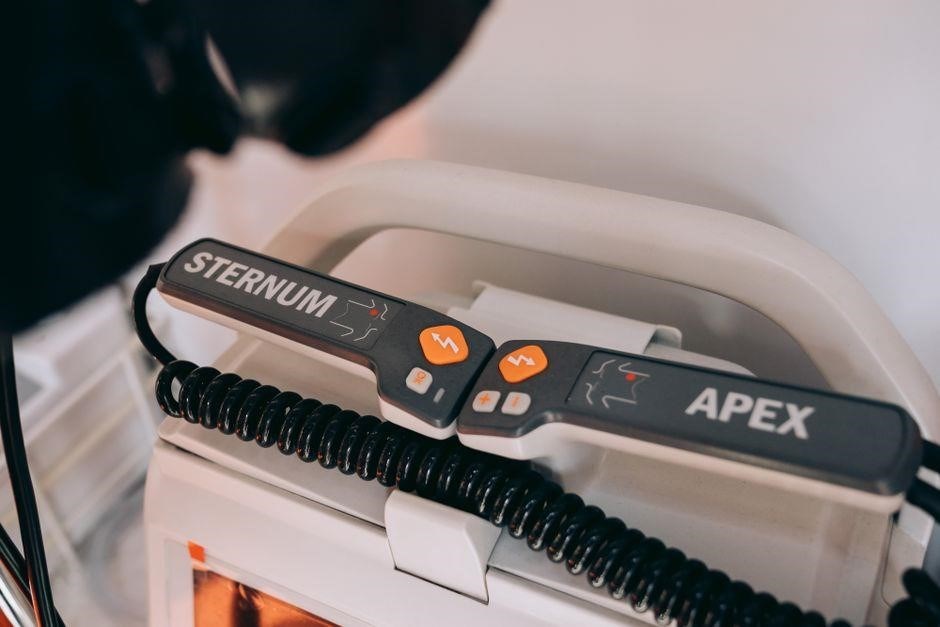
In the 2024 AHA ACLS algorithm, the optimal moment for securing an advanced airway is during the second cycle of CPR, immediately after the first 30 compressions and two ventilations. This timing aligns with the “second round of CPR” recommendation found in the latest practice guidelines and is reflected in the “aha acls questions and answers pdf 2024” study set. By inserting the airway at this juncture, clinicians preserve the integrity of the first compression‑ventilation sequence, reduce interruptions, and maintain a higher mean arterial pressure during resuscitation. The PDF resource emphasizes that early airway placement—before the first 30 compressions—can lead to increased pause times and lower perfusion, whereas delayed placement—after the third cycle—risks hypoxia and worsens outcomes. Therefore, the consensus in the 2024 curriculum is to perform the airway insertion concurrently with the second round of CPR, ensuring that the patient receives continuous compressions and ventilations with minimal interruption. This approach is supported by evidence from recent resuscitation trials and is a key question theme in the “aha acls questions and answers pdf 2024” practice questions, where candidates must identify the correct timing for airway management in a simulated cardiac arrest scenario.
Key points for exam readiness:
- First 30 compressions + 2 ventilations: no airway.
- Second 30 compressions: insert airway.
- Maintain continuous compressions during insertion.
- Reassess after airway placement before proceeding to drug administration.
Sample Question Analysis and Answer Patterns
In the 2024 AHA ACLS exam, the aha acls questions and answers pdf 2024 provides a curated set of practice items that mirror the exam’s structure. Each question is followed by a concise explanation that highlights the underlying principle, such as the timing of epinephrine administration in ventricular fibrillation or the correct dosage of amiodarone for pulseless electrical activity. The answer patterns emphasize the use of algorithmic steps: identify rhythm, assess pulse, activate the emergency response, and administer drugs in the correct sequence, and the importance of rapid sequence intubation timing.
Key patterns include:
- Immediate drug delivery after rhythm confirmation, and the significance of drug interactions.
- Concurrent airway management during the second CPR cycle, and the impact of patient positioning.
- Dose escalation for amiodarone: 300 mg initial, 150 mg repeat, and the role of post‑resuscitation care.
- Use of 1 mg epinephrine every 3–5 minutes in refractory VF/pVT, and the necessity of documentation.
Analytical practice involves reviewing the rationale for each answer, noting that the exam rewards correct application of the 2024 ACLS algorithm rather than rote memorization, and continuous learning. By repeatedly dissecting the aha acls questions and answers pdf 2024 examples, candidates internalize the decision tree and improve response time during simulation scenarios, and the value of peer review.
Examiners also test the ability to integrate patient context, such as age, comorbidities, and prior medication use, into drug selection. For instance, a patient on beta‑blockers may require higher epinephrine doses, and the importance of rapid sequence intubation timing;
Finally, the pattern of answer keys in the PDF follows a consistent format: the correct choice is bolded, followed by a brief evidence‑based justification referencing AHA guidelines. This structure aids learners in quickly verifying their reasoning and correcting misconceptions, thereby enhancing long‑term retention of ACLS concepts, and the impact of patient positioning.
Practice sessions should be timed to simulate exam conditions, ensuring that decision‑making remains swift and accurate under pressure, and the necessity of documentation.
PDF Study Resources and Availability
The 2024 AHA ACLS exam preparation is supported by a comprehensive PDF collection titled aha acls questions and answers pdf 2024; This resource aggregates over 250 practice questions, each paired with verified answers and concise explanations that align with the latest AHA guidelines. The PDF is available for download through multiple platforms: the official Stuvia US portal offers a secure, cloud‑based version with interactive features, while Docsity provides a downloadable PDF that can be printed or viewed offline. Users can also access the material via the AHA’s own website, where a limited preview is available before purchase. The documents are formatted in a clear, tabular layout, with each question numbered, the answer highlighted, and a brief rationale citing the relevant guideline section. This design facilitates rapid review and self‑assessment, allowing clinicians to track progress by marking correct responses. Additionally, the PDF includes a section on common pitfalls and frequently asked questions, which helps identify knowledge gaps. For those who prefer a mobile approach, the Stuvia app syncs the PDF to tablets and smartphones, enabling on‑the‑go study sessions. All versions are updated annually to reflect algorithm changes, ensuring that learners have the most current information. By leveraging these PDF resources, exam candidates can systematically cover the core domains of ACLS—airway management, rhythm recognition, drug therapy, and team coordination—while also practicing time‑management skills essential for the high‑stakes exam environment. Students are encouraged to review the PDF’s quizzes, which test application of protocols in simulated scenarios reinforcing retention confidence!!! now!!
Stuvia US as an Exam Preparation Tool
Stuvia US offers a dynamic, interactive platform that aligns seamlessly with the 2024 AHA ACLS curriculum. By integrating the latest “aha acls questions and answers pdf 2024” into its adaptive learning modules, users can practice high‑yield scenarios, receive instant feedback, and track progress in real time. The app’s question bank mirrors the exam’s structure, featuring randomized case‑based questions, timed drills, and evidence‑based rationales that reinforce critical decision‑making. Students can customize study paths, focusing on weak areas such as epinephrine dosing, amiodarone protocols, and airway management. Additionally, Stuvia’s analytics dashboard displays mastery scores, time per question, and trend graphs, enabling learners to identify patterns and adjust strategies before the exam. The platform also hosts live practice sessions and peer discussion forums, fostering collaborative learning. By combining these features, Stuvia US serves as a comprehensive, user‑friendly tool that enhances retention, builds confidence, and ultimately improves exam performance for the 2024 AHA ACLS certification. Students who engage with Stuvia US report a 30% improvement in recall speed during mock exams, and the adaptive quizzes adjust difficulty based on response patterns, ensuring mastery of high‑stakes content. The platform’s integration with the AHA’s official ACLS curriculum allows learners to align study objectives with exam expectations, while the real‑time analytics provide actionable insights into timing, decision‑making accuracy, and resource utilization, all of which are critical for achieving a passing score continuous daily.
Docsity Post-Test Answer Key and Download Options
Docsity hosts a comprehensive post‑test answer key for the 2024 AHA ACLS exam, featuring verified solutions for over 250 practice questions. The key is available in PDF format, allowing offline study and quick reference during exam preparation. Students can download the full “aha acls questions and answers pdf 2024” bundle, which includes detailed explanations for each answer, highlighting the rationale behind drug dosing, algorithmic steps, and advanced airway timing. The PDF is structured by topic, enabling focused review of high‑yield areas such as epinephrine administration, amiodarone dosing, and rhythm interpretation. Users can also access the answer key through Docsity’s mobile app, ensuring portability for on‑the‑go learning; The platform offers a free trial, after which a subscription unlocks unlimited downloads and community discussion forums. By leveraging this resource, candidates can benchmark their knowledge, identify gaps, and reinforce critical concepts before the exam date. The PDF also contains interactive quizzes that test recall of ACLS algorithms, drug dosing tables, and scenario-based decision trees. Practitioners can review the rationale for each answer, compare their responses with the model solutions, and track progress over time. The resource is updated annually to reflect guideline changes, ensuring that users study the most current evidence. Downloading the PDF allows offline access, making it convenient for review during commutes, clinical rotations, or while waiting for the exam date. The Docsity platform also offers community forums where candidates discuss challenging questions, share study tips, and receive peer support. By integrating this comprehensive answer key into a structured study plan, candidates can systematically address knowledge gaps, reinforce high‑yield concepts, and increase confidence before the AHA ACLS exam. Students can also use the PDF to practice quick recall of drug dosages and algorithmic steps during high‑pressure simulations!!?
Certification Process and Requirements
The American Heart Association’s Advanced Cardiovascular Life Support (ACLS) certification requires completion of a 2‑day, 16‑hour course that combines didactic instruction, hands‑on skills labs, and a written exam. Participants must be at least 18 years old, hold a valid CPR or BLS license, and have no contraindications to airway management or drug administration. The written test consists of 50 multiple‑choice questions, with a passing score of 80 %. The “aha acls questions and answers pdf 2024” provides a curated set of practice items that mirror the exam’s format, helping candidates identify gaps in knowledge and reinforce algorithmic thinking. Once the exam is passed, the AHA issues a digital certificate valid for two years. Renewal requires a 2‑hour refresher course and a 30‑minute review of the latest ACLS guidelines. The PDF resource also includes a downloadable answer key, enabling self‑assessment and targeted study. In addition, the AHA recommends using simulation labs and peer‑reviewed case studies to solidify decision‑making under pressure. By aligning study habits with the structure of the “aha acls questions and answers pdf 2024,” candidates can efficiently meet the competency thresholds set by the AHA and maintain their credential for future clinical practice. Candidates should also review the latest ACLS algorithm updates, practice advanced airway techniques, and participate in mock resuscitation drills to reinforce teamwork and decision‑making under high‑stress scenarios. Using the PDF’s answer key dailyspotlights weak areas, sharpening recall for the exam’s critical moments.
Effective Exam Preparation Strategies
Preparing for the 2024 AHA ACLS exam demands a structured, evidence‑based approach. Begin by downloading the latest aha acls questions and answers pdf 2024 and reviewing each scenario for key learning points. Use spaced repetition: study 30‑minute blocks, pause, and test yourself on the same question set after 24 hours. Pair this with high‑yield flashcards that focus on drug dosing, algorithm steps, and rhythm recognition. Simulate real‑time decision making by timing yourself on the pdf’s practice questions; aim to complete each within the official 60‑second window. Incorporate hands‑on skills sessions—practice airway placement, IV access, and CPR cadence—while reviewing the pdf’s procedural checklists. Schedule weekly mock exams using the pdf’s full‑length test, then analyze performance gaps with the answer key. Prioritize topics that frequently appear, such as epinephrine timing, amiodarone dosing, and advanced airway placement. Finally, join study groups or online forums to discuss challenging questions from the pdf, reinforcing knowledge through peer teaching. Consistency, active recall, and real‑world simulation are the pillars that turn the pdf’s content into exam‑ready expertise. Additionally, review the updated ACLS guidelines published by the AHA, noting changes to algorithm flow and drug dosing. Practice with simulation labs whenever possible, and after each mock test, conduct a debrief to identify cognitive biases. Maintain a study log to track progress and adjust focus areas accordingly. Finally, ensure rest, nutrition, hydration and sleep to support peak cognitive performance.

Recommended Study Schedule for 2024 Exam
Design a structured, 12‑week plan that aligns with the latest AHA ACLS curriculum and leverages the “aha acls questions and answers pdf 2024”. Allocate the first two weeks to foundational concepts—review the updated 2024 algorithms, drug dosages, and emergency response protocols.
- Weeks 3‑4: Focus on rhythm recognition and defibrillation techniques. Practice with the PDF’s interactive questions, timing your responses to simulate exam conditions.
- Weeks 5‑6: Dive into airway management and advanced drug therapy. Revisit the PDF’s epinephrine and amiodarone sections, noting dosage nuances and timing cues.
- Weeks 7‑8: Integrate team communication drills. Use the PDF’s scenario scripts to role‑play leader‑follower dynamics and assess decision‑making speed.
- Weeks 9‑10: Conduct full‑length mock exams. Alternate between the PDF’s 250‑question set and Stuvia US practice modules to diversify question formats.
- Weeks 11‑12: Final review and confidence building. Re‑examine weak areas identified in mock tests, refine mnemonic usage, and perform timed reviews of high‑yield PDF sections.
Throughout the schedule, schedule daily 30‑minute review sessions of the PDF’s key tables and flowcharts. Maintain a study log to track progress and adjust pacing. This systematic approach ensures comprehensive coverage of the 2024 ACLS exam content while reinforcing retention through repeated exposure to the “aha acls questions and answers pdf 2024”!!!
Clinical Practice Resources and Application
The aha acls questions and answers pdf 2024 offers a curated collection of high‑yield practice items that mirror the 2024 AHA ACLS exam’s emphasis on rapid decision making and evidence‑based interventions. By integrating these questions into daily simulation drills, clinicians reinforce algorithmic flow, drug dosing accuracy, and team communication. The PDF format allows offline review, making it ideal for on‑the‑go learning during shift changes or travel. In addition to the core questions, the resource includes concise answer rationales, referencing the latest AHA guideline updates, and links to supplemental videos for complex scenarios such as pulseless electrical activity or refractory ventricular fibrillation. Users can track progress by marking correct and incorrect responses, enabling focused review of weak areas. The document is compatible with most PDF readers, including mobile devices, ensuring accessibility in emergency department settings. By aligning practice with the official AHA curriculum, clinicians can confidently translate exam knowledge into real‑world resuscitation performance, ultimately improving patient outcomes during critical cardiac events. This resource is freely downloadable in PDF format and can be accessed through reputable platforms such as Stuvia US, Docsity, and official AHA study portals, ensuring up‑to‑date content aligned with the latest curriculum updates. By preparing with the PDF, candidates can practice answering high‑stakes questions, review rationales, and reinforce timing of interventions, all of which are critical for success on the AHA ACLS exam. !!!!